You might not be aware, but World of Warcraft’s (WoW) class system has undergone numerous evolutionary phases since the game’s inception. This constant adaptation is driven by a need to respond to the shifting dynamics of gameplay and player preferences. Take, for instance, how the Hunter class shifted from Mana to a Focus resource system, or the transformation of Paladins into frontline combatants. These changes, often radical, have been vital to maintaining balance and player engagement. The question then arises: what might the future of WoW classes look like as the narrative continues to expand and progress?
Key Takeaways
- The nine original WoW classes were designed with unique abilities and roles, like Warriors’ high damage output or Mages’ spellcasting.
- Transitioning combat mechanics, such as introducing item levels and new abilities, shifted gameplay from strength-based to skill-based.
- Player feedback, game lore, and the evolving meta-game have significantly influenced class evolution and balance in WoW.
- Noteworthy class changes include Hunters’ switch to a Focus system, Warlocks’ Demonology specialization, and Paladins becoming frontline fighters.
- Future WoW classes will likely see refined balance, new abilities, and increased versatility, influenced by game lore and major game events.
The Genesis of WoW Classes
In the beginning, World of Warcraft (WoW) offered a unique blend of nine classes, each designed with distinct abilities and roles. You’d select a class based on the approach you wanted to take when battling enemy players. The damage output and attack power of each class were significant factors to evaluate.
As a warrior, you were a powerhouse, using brute force to land critical strikes on opponents. You relished in the thrill of physical combat, boasting a high damage output. If you chose a mage, your strength lay in spell power and mana regeneration. Your role was to launch devastating magic attacks from a distance, leaving enemy players in awe of your power.
The rogue class offered a different style. Here, stealth and cunning were your weapons. Your attack power might’ve been less than a warrior’s, but your critical strikes were often deadly. Your pvp talent was the ability to sneak up on enemy players, catching them off guard.
In essence, the original WoW classes were balanced yet diverse, each with unique strengths and weaknesses. They set the foundation for the evolution that was to come, as the game continually adapted to the changing tides of combat.
Transitioning Combat Mechanics
As World of Warcraft grew, so did its combat mechanics. The game’s developers continually adapted and tweaked the system to keep it engaging. For example, feral druids saw a significant shift in their gameplay style. They were no longer just tank/dps hybrids but became formidable foes in pvp combat with their new abilities.
One of the pivotal changes was the introduction of item levels. This new mechanic brought a deeper level of strategy to the game, making each battle more about skill than just sheer strength. The crusader strike also became a mainstay in every Paladin’s arsenal, adding a new layer of complexity to their combat.
To help you better understand, here’s a table showing some of these changes:
| Class | Old Mechanic | New Mechanic |
|---|---|---|
| Feral Druids | Tank/DPS hybrid | PVP combat abilities |
| All Classes | Based on strength | Item levels |
| Paladins | Basic strikes | Crusader Strike |
Influences on Class Evolution
With the constant evolution of World of Warcraft, you might wonder what’s driving the changes in class mechanics. Well, let’s explore the influences on class evolution. Player feedback plays a significant role. If you’re voicing your concerns or suggestions on the game forums, developers are listening. They constantly tweak classes based on your input, aiming to create a balanced, enjoyable gaming experience.
Another key influence is the game’s lore. You’ll notice that class changes often align with the unfolding storyline. For example, a new expansion might introduce new enemies, necessitating new skills or abilities for your class. This keeps the game fresh and exciting while maintaining its immersive narrative.
Lastly, the ever-evolving meta-game also shapes class evolution. This refers to the strategies you and other players develop to maximize your performance in the game. When certain classes become too dominant or underpowered, developers step in to adjust the balances. That’s why you’ll often see patches that buff or nerf different classes.
Highlighting Noteworthy Class Changes
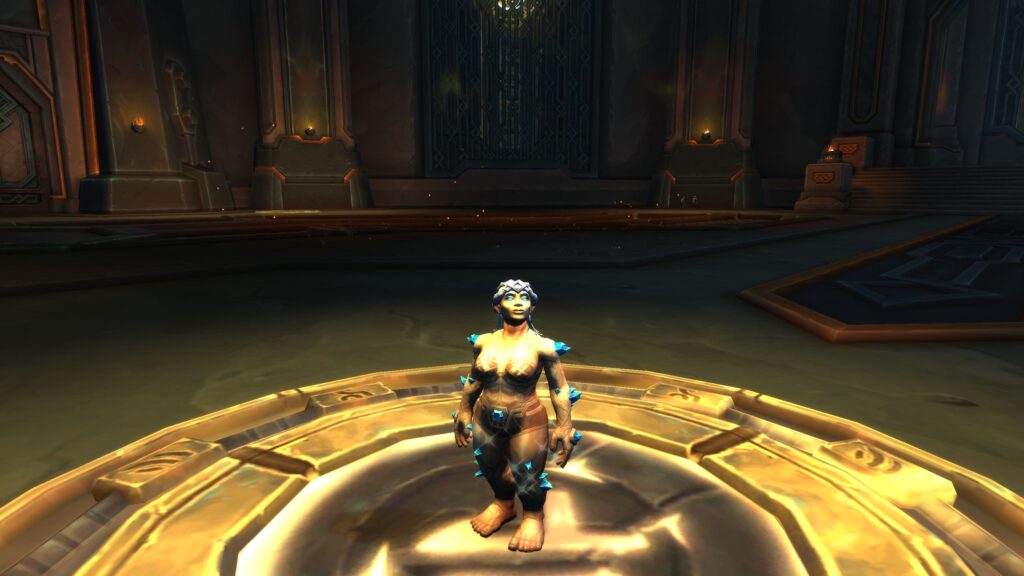
Diving into the specifics, let’s touch on some of the most remarkable class changes in World of Warcraft’s history. Remember when Hunters used mana? Before the Cataclysm expansion, they did! They even had to manually lug around ammunition. But the game designers decided this was a bit tedious, so they revamped the class, introducing Focus as a new resource system and axing the ammunition mechanic.
Then there’s the Warlock metamorphosis. Originally, this was a temporary transformation that granted powerful demonic abilities. But in Legion, it morphed into a permanent class specialization, Demonology, redefining the Warlock’s identity from a mere summoner to an embodiment of demonic power.
Don’t forget the Paladin, once considered a ‘support’ class. They were reimagined as a formidable frontline fighter in Wrath of the Lich King, complete with a full tanking toolkit. It was a game changer for many Paladin players.
And how could we overlook the Shaman? Once a horde-only class, it was opened up to the Alliance in The Burning Crusade, much to the surprise of many players. So, you see, WoW’s class evolution has certainly been a journey.
The Future of WoW Combat Classes
What lies ahead for WoW’s combat classes? Only time will tell, but you can bet that the developers at Blizzard are hard at work crafting the next evolution. It’s likely they will continue to tweak and refine established classes to maintain balance and keep the game fresh.
You might see new abilities introduced, and old ones reimagined, all aimed at better class synergy and dynamic combat. A focus on versatility could be key, allowing you to adapt to changing battle conditions on the fly.
But it’s not just about what’s happening in the arena. The lore of WoW is rich and deep, and future class changes could well tie into unfolding story arcs. Imagine a new class, birthed from the ashes of a world-shattering event, or existing classes gaining fresh perspectives and powers from encounters with new allies or foes.
Whatever the future holds, you’ll need to stay adaptable and ready for change. Because in WoW, as in life, the only constant is change. So keep your weapons sharp, your spells at the ready, and brace yourself for the future of WoW’s combat classes.
Conclusion
Like a skilled blacksmith reforging a battleworn blade, the WoW team has steadily honed and reshaped classes to better suit the ever-evolving battlefield. You’ve witnessed Warriors flex to new roles, Mages redefine their magic, and Hunters shift their focus. As the tale of Azeroth unfolds, expect your class to adapt, grow, and surprise you. This is the beauty of WoW’s evolution – a journey in which you’re not just a participant, but a co-creator.
Home
Leave a Reply