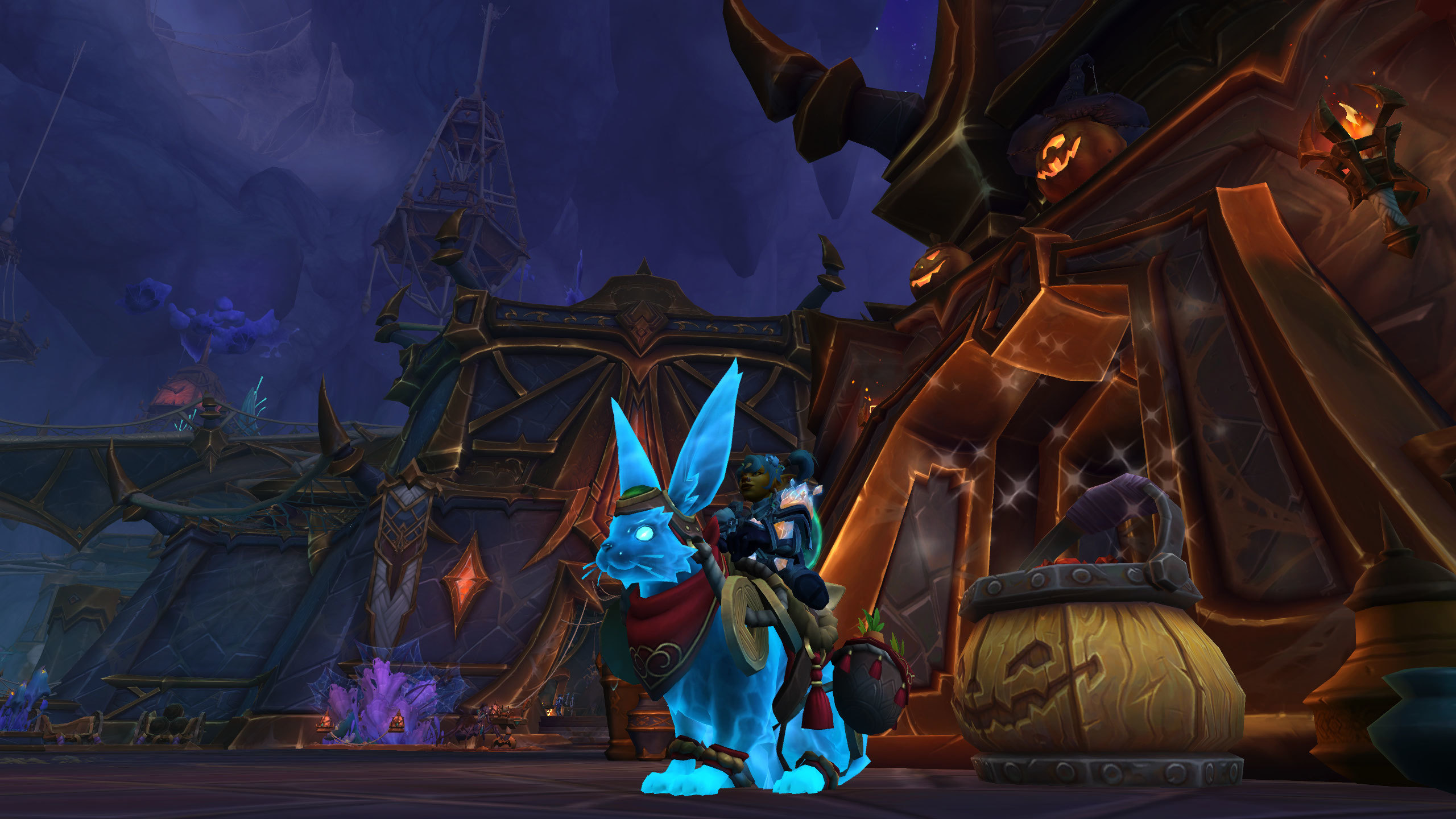
Behind the dragons, dungeons, and epic loot, World of Warcraft hides a functioning economy that operates strikingly like the real world. Supply, demand, speculation, inflation, and even monopolies exist within Azeroth’s markets. Driven entirely by players, WoW’s economy reflects not just mathematical balance—but human behavior at its core.
This article explores how WoW’s gold-driven ecosystem mirrors real-world market principles, and how player psychology turns a fantasy economy into a living study of human nature.
The Foundation of Player-Driven Value
Unlike most games with static pricing, WoW’s economy is dynamic. Every item on the Auction House, from herbs to raid gear, has a value dictated by player behavior. Scarcity and demand determine price—just like real-world commodities. When a new raid launches, consumables skyrocket; when a profession patch drops, materials surge. It’s a cycle of demand and speculation that rewards awareness and timing.
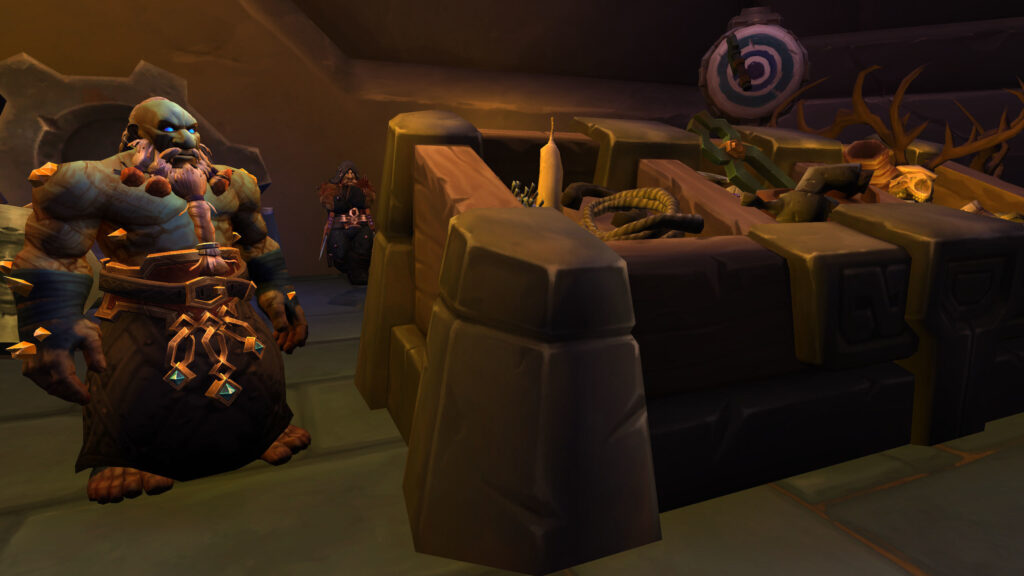
In essence, WoW’s economy thrives not because it’s balanced—but because it’s alive.
The Auction House as a Free Market
The Auction House functions as Azeroth’s version of Wall Street. Players buy low, sell high, and manipulate supply to create artificial scarcity. Some specialize in flipping markets, while others corner specific goods—just like traders and investors in real life. This competition drives creativity and risk-taking, where fortunes can be made or lost overnight.
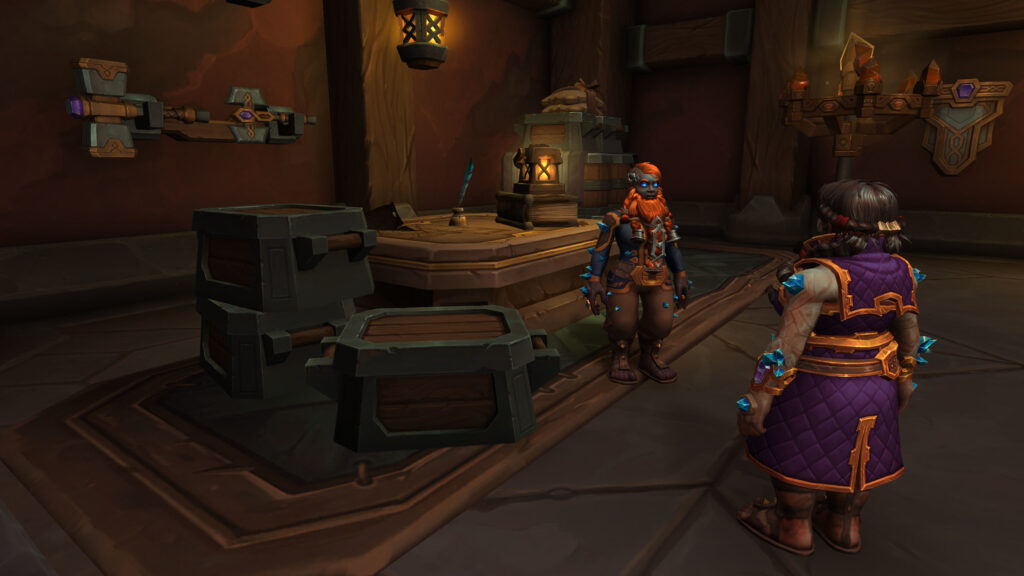
In WoW, every player has the potential to be both merchant and consumer—and that balance sustains the system.
Inflation, Speculation, and Risk
Gold inflation mirrors real-world monetary issues. As more players generate wealth through farming or services, gold loses purchasing power. Blizzard combats this with gold sinks—expensive mounts, repairs, or crafting fees—designed to stabilize value. Meanwhile, speculation thrives whenever new content is announced, with players stockpiling rare items in anticipation of future demand.
It’s a digital economy that runs on both logic and instinct, blending data-driven strategy with emotional decision-making.
| Market Mechanic | Real-World Equivalent | Player Behavior |
|---|---|---|
| Supply & Demand | Commodity Pricing | Farmers vs. Traders balance prices |
| Gold Inflation | Currency Devaluation | Too much liquidity lowers buying power |
| Flipping | Stock Trading | Buying low, selling high for profit |
| Market Control | Monopoly Strategy | Cornering key items for manipulation |
| Gold Sinks | Taxation & Regulation | Removing excess currency to prevent inflation |
Psychology Behind Player Economics
Every economic system reflects human emotion—and WoW’s is no different. Fear of missing out drives overpricing, while greed motivates speculation. Players hoard, undercut, and react to rumors just like investors in real markets. Even irrational behavior—panic selling before resets or price gouging during events—mirrors real-world financial psychology. It’s a social experiment fueled by digital gold and genuine human impulse.
In many ways, WoW’s Auction House isn’t just a marketplace—it’s a behavioral laboratory.
Professions and Player Identity
In Classic and retail alike, professions represent both specialization and self-sufficiency. Choosing Alchemy or Blacksmithing is more than a gameplay decision—it’s a reflection of player personality. Crafters see long-term opportunity; gatherers favor short-term profit. The diversity of roles mirrors the division of labor in real economies, ensuring constant interdependence and trade between players.
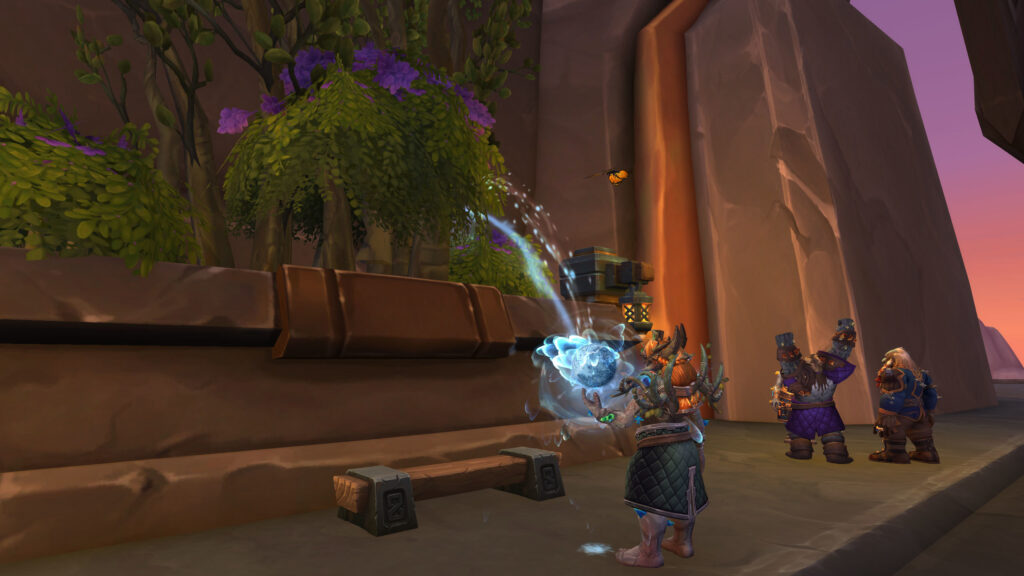
It’s a system where social cooperation naturally fuels prosperity.
The War Within: Stabilizing a Mature Economy
After two decades, WoW’s economy has evolved into a mature, self-correcting system. The War Within expansion introduces smarter pricing algorithms, cross-realm trading balance, and refined crafting orders to reduce market manipulation. Yet even with new safeguards, human behavior ensures volatility never disappears—because unpredictability is what keeps the economy alive and engaging.
WoW’s economy endures not because it’s perfect, but because it reflects us perfectly.
Conclusion
World of Warcraft’s economy mirrors real-world markets in complexity, unpredictability, and psychology. It’s driven by players’ ambitions, emotions, and ingenuity—proof that even in a fantasy world, human nature follows familiar patterns. Whether you’re a farmer, trader, or casual buyer, every transaction tells a story about risk, reward, and desire.
In Azeroth, the gold may be virtual—but the lessons about value, patience, and greed are very real.
Leave a Reply