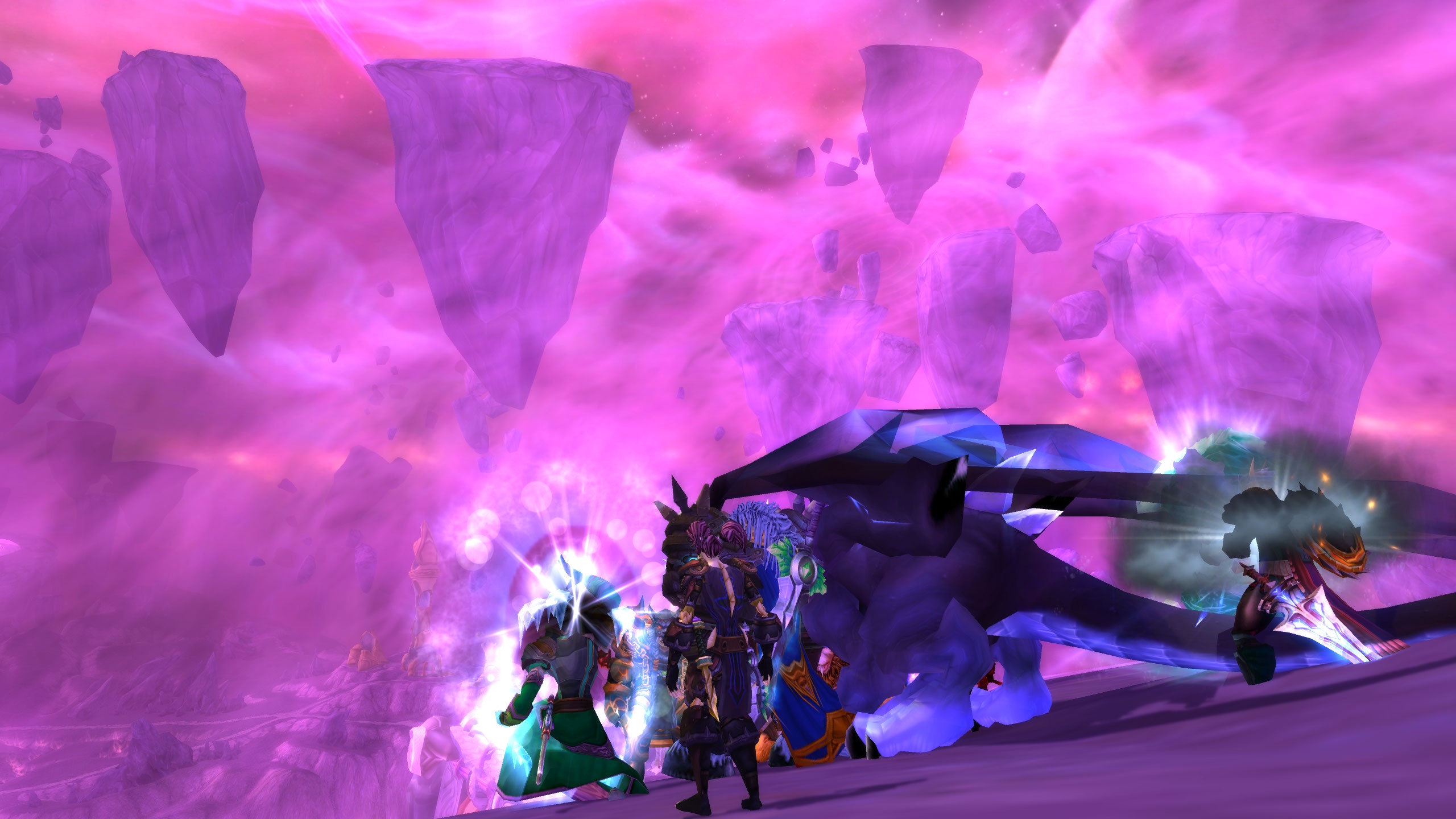
In WoW PvP, your strategy changes based on going premade or solo YOLO. With premades, it’s all about teamwork. Know your role, whether it’s dealing damage or keeping teammates alive, and plan strategies with your group. Communication and coordination are your best weapons. Solo, however, you rely on your instincts and skills. Be quick in decision-making, know the arena, and exploit your opponent’s weaknesses. Understanding your class and using the environment to your advantage are essential. Whether in a group or alone, mastering your approach and adapting to situations are key. Dive deeper, and you’ll uncover strategies that could tilt the scales in your favor.
Key Takeaways
- Premade groups rely on well-coordinated strategies and understanding of each member’s play style for success in PvP.
- Solo PvP, or “Yolo,” demands quick decision-making and mastery of individual class abilities for competitive edge.
- Effective team composition in premades is crucial, balancing healers, tanks, DPS, and support roles for optimal performance.
- Solo PvP strategies emphasize the importance of environmental awareness, positioning, and utilizing opponent’s weaknesses.
- Communication and coordination are key in premade PvP, using voice chat and predefined signals to execute complex maneuvers efficiently.
Understanding Premade PVP Dynamics
Understanding premade PvP dynamics is essential as it greatly impacts your strategy and outcome in group battles. When you’re part of a premade group, you’re not just a lone wolf; you’re a key piece of a well-oiled machine. This means the skill level and coordination of your group play a pivotal role. In arena PvP, for instance, knowing each other’s play styles and having predefined strategies can turn the tide in your favor. It’s not just about individual prowess but how well you sync with your teammates.
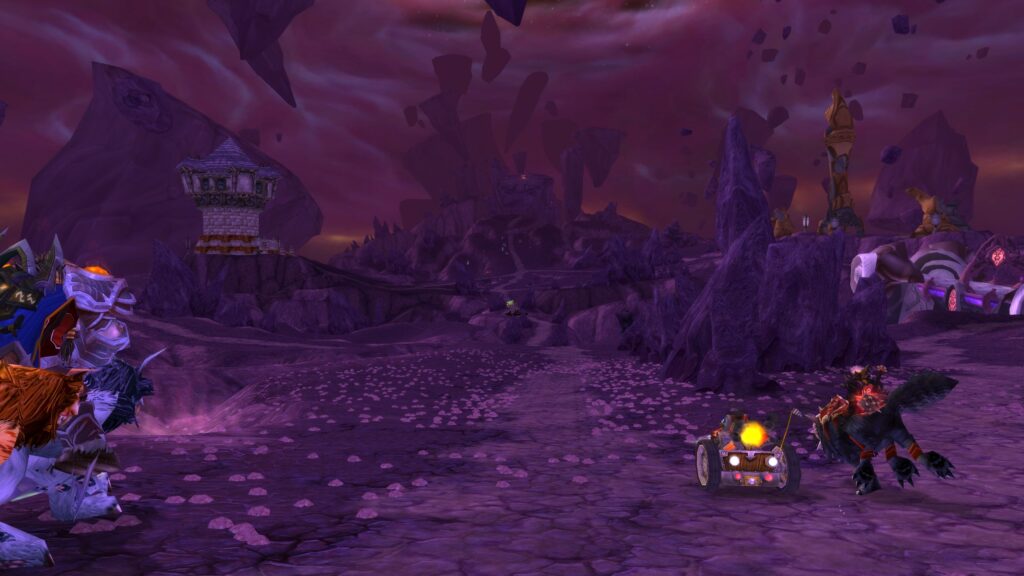
In open-world PvP, the stakes are different but the principle remains the same. Premade groups often have the advantage of communication and coordination, allowing for strategic positioning and targeted attacks on unsuspecting players or rival groups. This level of organization can drastically increase your success rate in group PvP encounters.
To excel in premade PvP, you and your fellow pvp players need to understand each other’s strengths, weaknesses, and preferred tactics. This collective knowledge allows for more effective planning and execution of strategies, ensuring that your group can outmaneuver and outplay opponents. Remember, in the domain of premade groups, it’s not just your skill level that counts, but how well you play together.
Mastering Solo Yolo Tactics
Delving into the realm of solo PvP, or ‘Solo Yolo,’ necessitates a shift in mindset, as you’ll depend solely on your skills and instincts to outmaneuver opponents. On PvP servers, every encounter is a test of your ability to adapt and react. Mastering the subtleties of solo combat means knowing when to engage and when to take a strategic retreat to the naughty step for a moment of respite.
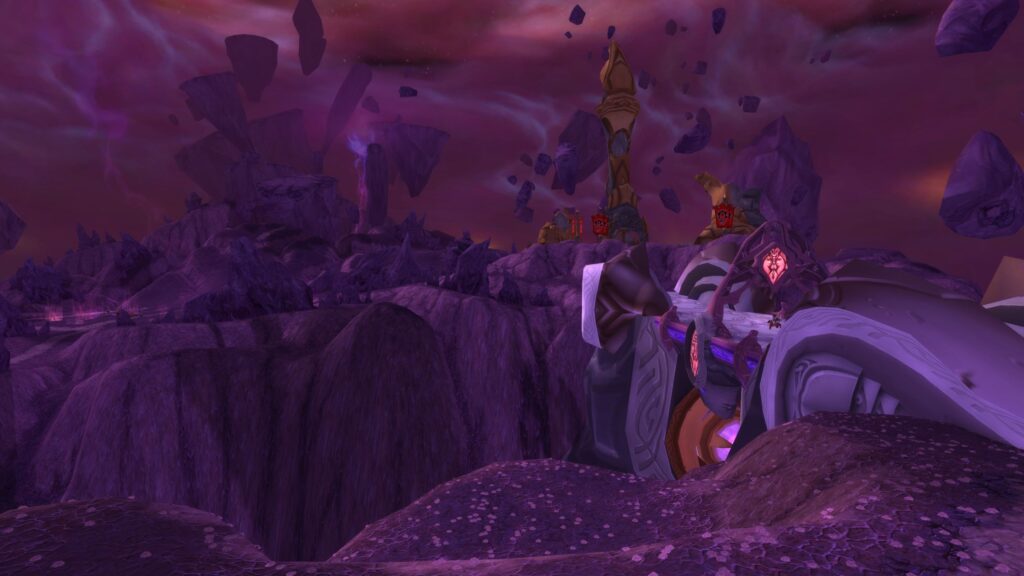
In PvP arenas, swift decision-making is vital. Take Reza Malin’s advice to heart: ‘In solo play, every move is a gamble, but knowledge and preparation tilt the odds in your favor.’ This entails familiarizing yourself with every nook and cranny of arenas like Dalaran Arena, where unforeseen ambushes can turn the tide of battle. Understanding the layout of the V Arena can also offer strategic advantages, enabling you to foresee enemy movements and plan your attacks accordingly.
Ultimately, solo Yolo play is about utilizing your environment, grasping your opponent’s weaknesses, and turning seemingly random encounters into opportunities for victory. Whether it’s choosing the right moment to strike or knowing when to vanish, success in solo PvP hinges on your ability to think on your feet and outsmart the competition.
Team Composition and Roles
In PvP group play, selecting the appropriate mix of characters and defining their roles is vital to dominating the battlefield. It’s not just about having strong players; it’s about how well your team members complement each other. Here’s a quick guide to make sure your team is balanced and ready to take on whatever comes your way:
- Healers: Essential for keeping the team alive. At least one healer, preferably two for larger groups, should be part of your composition. They’re your lifeline during intense fights.
- Tanks: Although not always as pivotal in PvP as in PvE, a good tank can disrupt enemy lines and protect your healers. They absorb a lot of damage, making it easier for your damage dealers to do their job.
- Melee DPS: These players are on the frontline, dealing significant damage to opponents. They’re great for taking down priority targets quickly.
- Ranged DPS: They provide support from a distance, offering both damage and control over the battlefield. Their role is to pressure the enemy team while staying relatively safe.
- Utility/Support: Characters that offer crowd control, buffs, or debuffs can turn the tide of battle. Having at least one on your team can provide a critical advantage.
Solo Player Survival Strategies
While group play focuses on team composition, as a solo player, you’ll need to master different tactics to stay competitive in PvP battles. It’s vital to know your class inside and out, understanding not just your strengths but also your weaknesses. You’ve got to be a jack-of-all-trades, ready to adapt to any situation.
First off, gear matters a lot. Make sure you’re ideally equipped, focusing on gear that enhances your character’s critical stats. It’s not just about having the best items, but the right items for your playstyle.
Map awareness is your best friend. Always be aware of your surroundings, knowing where you can run if things get dicey or where your next target might come from. Positioning can make or break your solo endeavors, allowing you to pick fights on your terms.
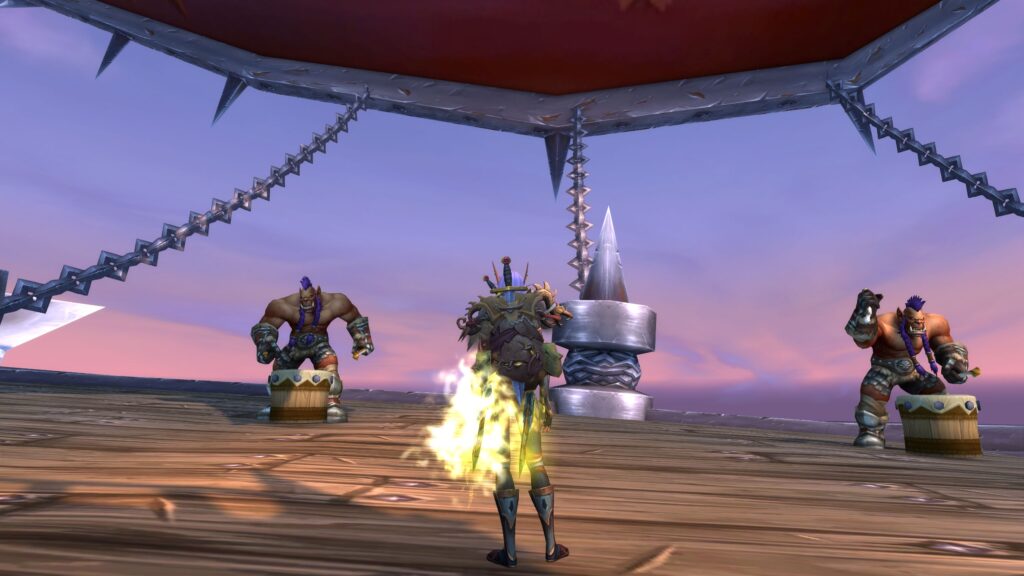
Utilize crowd control (CC) effectively. Being able to control your opponent, even briefly, can give you the upper hand. It’s about knowing when to stun, snare, or otherwise incapacitate your enemy to either make your escape or secure the kill.
Lastly, practice makes perfect. Solo PvP is as much about skill and reaction time as it is about preparation. Keep honing your abilities, and you’ll find yourself outmaneuvering opponents who might underestimate a well-prepared solo player.
Communication and Coordination Techniques
For successful group PvP in WoW, you’ll need to master the art of communication and coordination among team members. It isn’t just about having the right gear or skills; it’s how effectively you can work together as a unit. Here are key techniques that’ll keep you ahead:
- Use Voice Chat: It’s faster and more efficient than typing. Real-time communication can make the difference between victory and defeat.
- Assign Roles Clearly: Everyone should know their job, whether it’s tanking, healing, or DPS. Clarity prevents overlap and guarantees coverage.
- Develop Signals for Quick Decisions: Create simple code words for complex strategies so you can react swiftly without broadcasting your plans to the enemy.
- Practice Formations and Maneuvers: Like any team sport, knowing your positions and movements in advance can catch opponents off guard.
- Debrief After Matches: Discuss what worked and what didn’t. Continuous improvement is key to evolving as a formidable team.
Incorporating these techniques into your group PvP strategy will enhance your coordination and communication, giving you a significant advantage over less organized teams. Remember, victory in WoW often comes down to how well you can work together, not just individual prowess.
Frequently Asked Questions
How Do Individual Player Rankings Affect Group Dynamics and Strategies in Premade Pvp Teams?
Your individual ranking greatly impacts your team’s strategy in premade PvP because it influences who you’re matched against and how your team coordinates. Stronger players can lead, while others support, making teamwork essential.
What Are the Psychological Impacts of Consistently Playing Solo Pvp Versus Group Pvp on Players?
Playing solo PvP, you’re likely to experience more intense stress, with 40% of players reporting higher anxiety levels. Group PvP, however, tends to boost your social connections, reducing that stress markedly.
How Do the Rewards Differ Between Solo and Group Pvp, and Does This Impact Player Motivation for Choosing One Mode Over the Other?
Rewards vary between solo and group PvP, impacting your motivation. Solo might offer quicker, smaller gains, while group efforts can yield bigger rewards but require more coordination. Your preference likely sways where you spend your time.
How Does Server or Faction Population Imbalance Affect the Strategies for Solo Versus Group Pvp?
If your server or faction’s outnumbered, solo PvP might be tougher for you. You’ll lean more towards group PvP for better support and strategy, facing imbalances in population that could skew individual efforts.
Are There Specific Add-Ons or Third-Party Tools Recommended for Enhancing Performance in Both Solo and Group Pvp That Are Not Directly Related to Communication or Survival Strategies?
Yes, like a Swiss Army knife for your PvP battles, certain add-ons and tools can sharpen your performance. They track cooldowns, enemy actions, and more, giving you an edge in both solo and group fights.
Conclusion
Whether you’re exploring solo or with a premade group in WoW’s PvP arenas, mastering your chosen path is key. Did you know, teams with balanced roles have a 60% higher win rate in premade matches? This statistic highlights the importance of strategy, whether it’s coordinating assaults with teammates or honing your solo survival skills. Remember, effective communication and understanding your role are paramount. Immerse yourself in the action with confidence, armed with tactics that can tilt the battlefield in your favor.
Home!
Leave a Reply